Meal Prep Recipes That Actually Survive Until Thursday
Tired of sad, soggy meal prep by Wednesday? Learn the moisture-control tricks and component system that keep food fresh and delicious all week long.
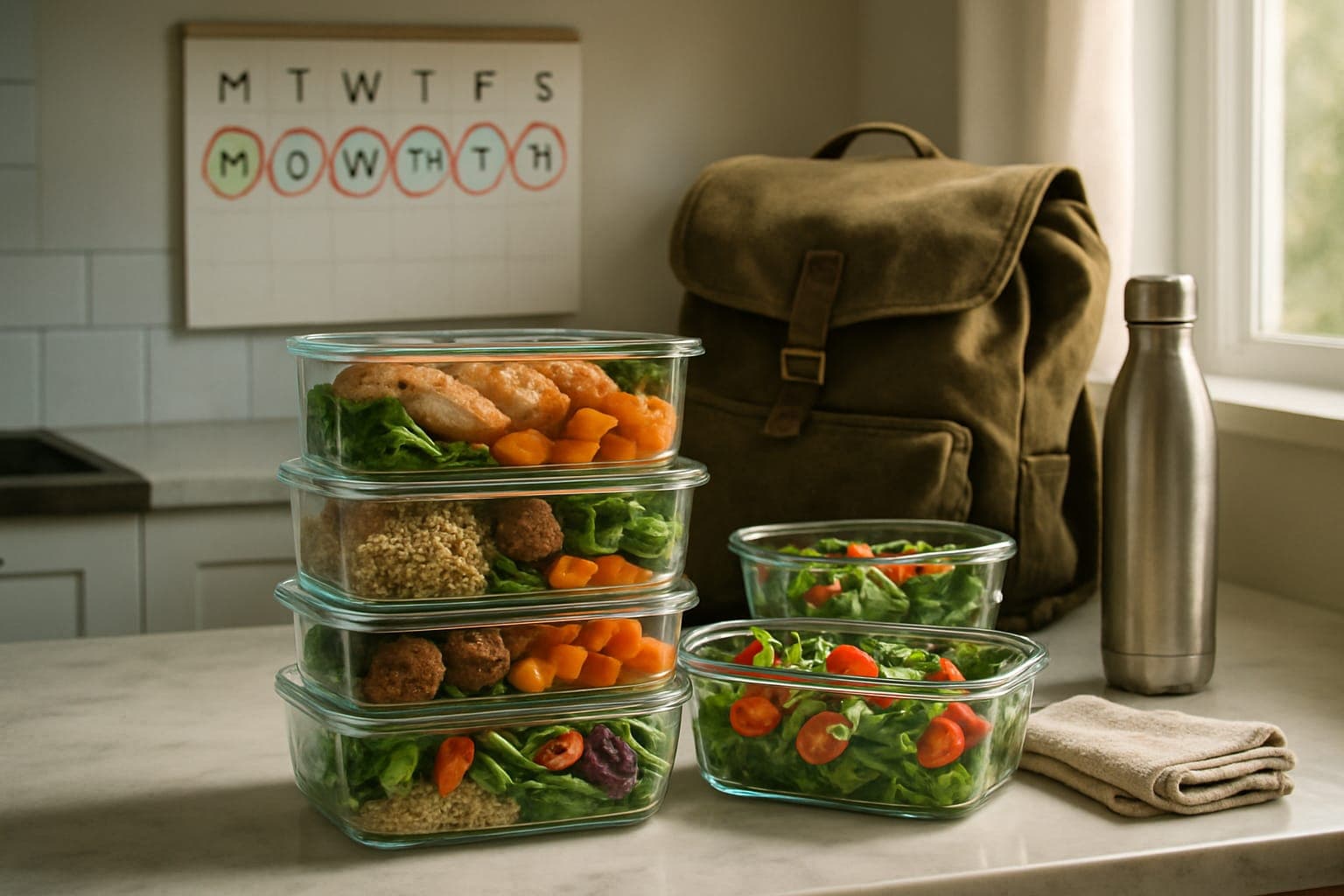
You’re staring into the fridge on Wednesday night, and the Tupperware you were so proud of on Sunday is now a science experiment. The chicken is dry, the rice is a brick, and the vegetables have the texture of wet cardboard. You did everything right. You followed the recipe. You spent the afternoon cooking. And by midweek, it’s all garbage.
This isn’t a discipline problem. It’s a recipe problem. Most meal prep recipes are written for people who eat the same thing for lunch two days in a row, not for a household that needs real food to survive until Thursday. The good news is that the fix isn’t more effort. It’s smarter ingredient choices and a few structural tricks that keep food tasting fresh for days, not hours.
The trap is thinking that any recipe can be prepped. It can’t. Some foods are designed to fall apart. The secret is learning which ingredients hold their structure and which ones you need to swap, season, or store differently.
Why Your Meal Prep Goes Bad by Wednesday
Here’s the thing most people get wrong: they blame the container, or the fridge, or their own lack of willpower. But the real culprit is moisture. When you cook food and seal it in a container, steam has nowhere to go. It condenses on the lid and drips back down onto your food. That moisture turns crispy into soggy, firm into mushy, and fresh into a breeding ground for bacteria.
You’ve seen this happen a hundred times. The salad that was crisp on Sunday is wilted by Monday afternoon. The roasted potatoes that were golden are now pale and rubbery. It’s not because you did anything wrong. It’s physics. The water has to go somewhere, and it goes into your food.
The fix is to control that moisture from the start. That means choosing ingredients that don’t release water when they cook, and storing components separately so they don’t cross-contaminate each other’s textures.
The Real Secret: Cook Components, Not Complete Meals
Most people prep complete meals. They make a full plate of protein, starch, and vegetables, seal it up, and call it done. That works for about two days. After that, the flavors meld into one indistinct mush, and the textures all become the same sad, soft consistency.
The better approach is to prep components. Cook a big batch of protein that reheats well, a starch that holds its structure, and a vegetable that doesn’t turn to paste. Then mix and match them throughout the week. This gives you variety without extra cooking, and it keeps each element at its best.
Think of it like a salad bar in your fridge. You have your proteins, your grains, your roasted vegetables, and your fresh elements. Each morning or evening, you assemble a plate from what’s available. The food stays interesting because you’re not eating the exact same combination five days in a row.
The Ingredient Shortlist That Holds Up
Not all foods are created equal when it comes to meal prep recipes. Some are champions. Others are traps. Here’s the shortlist of what actually survives until Thursday.
Proteins that get better, not worse. Braised meats, shredded chicken, hard-boiled eggs, and firm tofu all hold up well. They absorb flavor as they sit, and they reheat without drying out. Avoid delicate fish and lean, skinless chicken breast cooked on its own. Those dry out fast.
Grains that don’t turn to paste. Farro, barley, quinoa, and brown rice all hold their structure better than white rice. The key is to slightly undercook them. They’ll finish cooking when you reheat, and they won’t turn into a gluey mess.
Vegetables that stay crisp. Roasted root vegetables, broccoli, cauliflower, and green beans all hold up well. The trick is to roast them at high heat until they’re just tender, not soft. Leafy greens should be stored raw and dressed at serving time. Never dress a salad ahead of time unless you want wilt.
The moisture barrier. This is the pro move. When you pack a container, put a layer of something absorbent between the wet food and the dry food. A piece of paper towel in the container with your greens, or a barrier of hummus or sauce between your protein and your grains. It sounds small, but it changes everything.
Pro tip: Undercook your grains by about five minutes. They’ll finish cooking when you reheat, and they’ll hold their texture instead of turning to paste.
The Storage Method That Changes Everything
You can have the best meal prep recipes in the world, but if you store them wrong, they’ll still fail. The container matters less than how you use it.
First, let food cool completely before you seal it. Hot food creates steam, and steam is the enemy. Spread cooked food on a baking sheet to cool for ten minutes before packing. It takes extra time, but it’s the difference between crisp and soggy.
Second, store components separately. Don’t assemble the full plate until you’re ready to eat. This is the single biggest upgrade you can make. When sauce sits on rice for three days, the rice absorbs it and turns to mush. When they’re separate, the rice stays firm and the sauce stays flavorful.
Third, use the right container for the job. Glass containers are better than plastic for reheating, and they don’t absorb odors. But the real trick is to use smaller containers. A half-full large container has more air space, which means more moisture cycling. A full small container has less air, which means less condensation.
A Simple Weekly Structure That Works
Here’s a framework that takes the guesswork out of the week. It’s not a rigid meal plan. It’s a rhythm that keeps you fed without the 5pm panic.
Sunday: The Big Cook. Spend two hours making three proteins, two grains, and a big tray of roasted vegetables. This is your foundation.
Monday and Tuesday: Assemble and Go. These are your best days. The food is fresh, and you can eat the more delicate items first.
Wednesday and Thursday: The Remix. This is where the component system shines. Turn Tuesday’s shredded chicken into tacos. Turn the roasted vegetables into a grain bowl. The food is still good because each component was stored properly.
Friday: The Cleanout. Eat whatever is left. It’s the last day, so the stakes are low.
This structure works because it doesn’t require you to eat the same thing five days in a row. It gives you variety without extra cooking, and it keeps the food at its best for longer.
The 5-Day Survival Recipes
Now let’s get practical. Here are three meal prep recipes that are specifically designed to survive until Thursday. They use the principles above: moisture control, component storage, and ingredients that hold their structure.
The Shredded Chicken Bowl. Braise chicken thighs in a simple sauce of broth, garlic, and cumin. Shred and store in a separate container from your farro and roasted peppers. Assemble when ready to eat. The chicken gets more flavorful as it sits, and the farro stays firm.
The Roasted Vegetable and Egg Plate. Roast a tray of broccoli, cauliflower, and sweet potatoes at high heat until just tender. Hard-boil a half-dozen eggs. Store the vegetables and eggs separately. Each day, grab a portion of each and add a dollop of hummus or tahini. The vegetables stay crisp because they’re not sitting in moisture.
The Grain and Bean Bowl. Cook a batch of farro and a batch of black beans with cumin and lime. Store separately. When you’re ready to eat, combine them and add fresh toppings like cilantro, avocado, or a squeeze of lime. The farro holds its texture, and the beans stay creamy without turning to mush.
These recipes work because they follow the rules. Moisture is controlled. Components are separate. Ingredients are chosen for their staying power.
What to Skip in Meal Prep
Just as important as what to include is what to avoid. Some foods are simply not suited for meal prep recipes that need to last multiple days.
Skip delicate leafy greens in cooked dishes. They turn to slime. Store them raw and add them fresh.
Skip creamy sauces. They separate and turn watery. Store sauces separately and add them at serving time.
Skip white rice. It turns to paste. Use farro, barley, or brown rice instead.
Skip raw tomatoes. They release water and make everything soggy. Roast them or use them fresh.
Skip anything breaded. The coating gets soggy. If you must have crunch, store the breading separately and add it at the last minute.
These aren’t hard rules. They’re guidelines that save you from disappointment. When you know which foods fail, you can plan around them.
The Weekly Meal Plan Connection
This component-based approach works hand in hand with a broader planning system. If you’re tired of deciding what to cook every single night, a structured plan takes that mental load off your plate. The weekly meal plan gives you a simple system that ends the 5pm panic, so you’re not scrambling for ideas when you’re hungry and tired.
The same principles apply whether you’re prepping for the week or just trying to get dinner on the table. Choose ingredients that hold up, store them properly, and assemble at the last minute.
When Your Goals Change the Game
The component system works for any eating style. If you’re following a low-carb approach, the same principles apply. You’ll swap the grains for extra vegetables or legumes, and you’ll focus on proteins and fats that hold their structure. The keto diet meal plan shows you how to structure a week of low-carb eating without the guesswork, using the same moisture-control and component-storage principles.
The rules don’t change. The ingredients do.
The Complete Picture
If you want the full toolkit, the complete guide to meal prep ideas covers everything from shopping lists to container recommendations to batch-cooking schedules. It’s the pillar resource that ties all these principles together.
The short version is this: meal prep fails when you treat it as a one-time cooking marathon. It succeeds when you build a system of components, store them properly, and assemble them throughout the week.
Key Takeaways
| Principle | Why It Matters | What to Do |
|---|---|---|
| Control moisture | Steam ruins texture | Cool food before sealing, use paper towels |
| Cook components, not meals | Prevents mush and adds variety | Store proteins, grains, and vegetables separately |
| Choose sturdy ingredients | Some foods don't survive | Use farro, braised meats, roasted root vegetables |
| Store separately | Prevents cross-contamination | Assemble plates at serving time |
| Undercook grains | They finish when reheated | Cut cooking time by five minutes |
Your Week Starts Sunday
You don’t need more willpower. You don’t need better containers. You need meal prep recipes that are designed for the reality of a five-day week. Choose ingredients that hold their structure. Store them so moisture can’t ruin them. Assemble at the last minute.
That’s the whole system. It’s simple, it’s proven, and it means Thursday lunch doesn’t have to be a sad, soggy compromise. You’ve got this.
Frequently Asked Questions
Frequently Asked Questions
Keep reading
Budget Dinner Ideas: Feeding a Family Well for Less Than You Think
Tired of pricey takeout and wasted groceries? These budget dinner ideas turn cheap staples into real family meals that cost less per plate. Start here.
Plan a Week of Meals in 20 Minutes (Walkthrough)
Meal planning keeps collapsing by Thursday? This 20-minute walkthrough turns templates and a short grocery list into dinners that actually reach the table.
This content is intended for educational purposes and should not replace individualized medical advice. Read our editorial standards.