PCOS Breakfast Ideas: Why Mornings Make or Break Blood Sugar
Struggling with PCOS and mid-morning energy crashes? A protein-first breakfast framework backed by real research on insulin and cortisol can help.
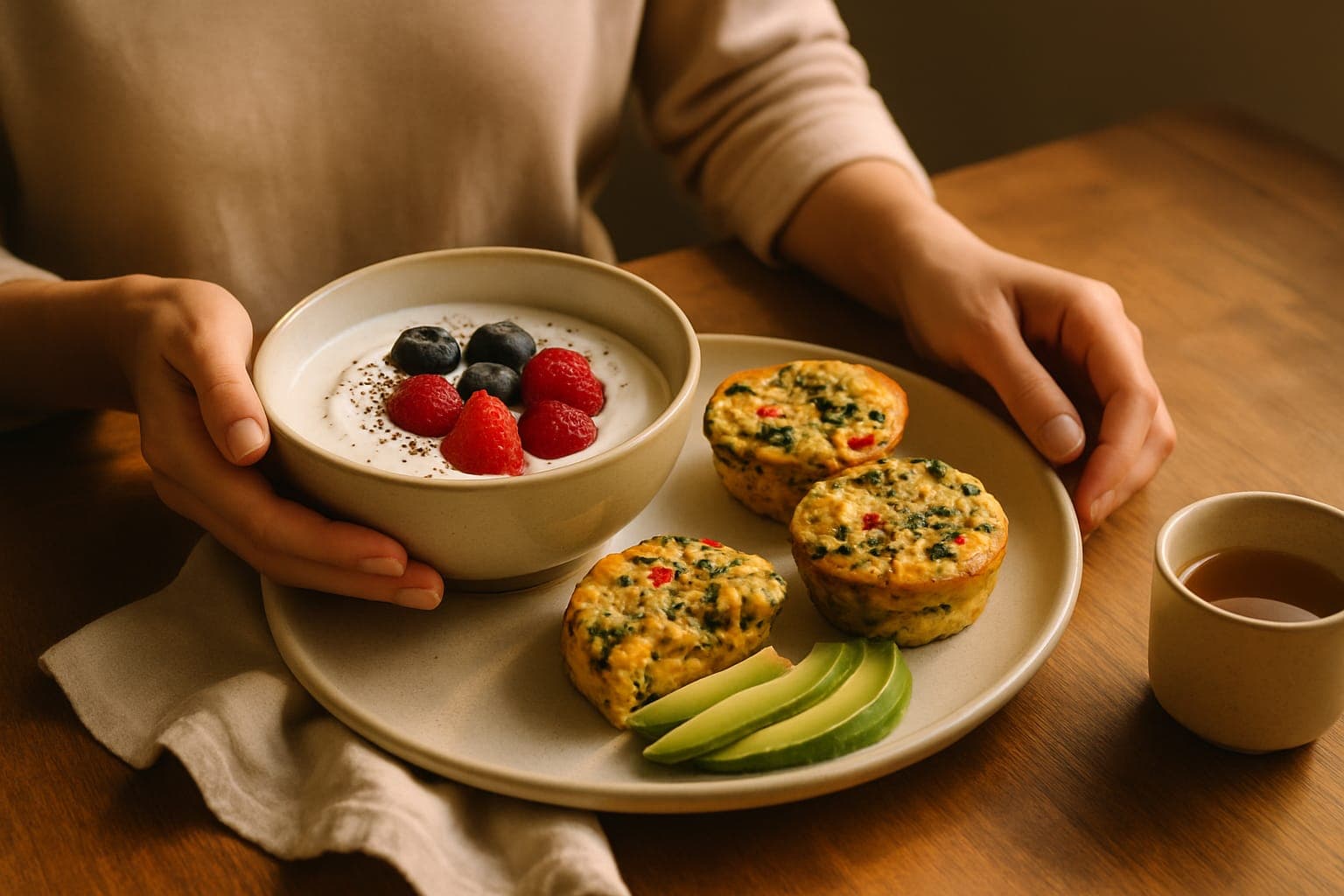
Most mornings feel like a negotiation. You're tired, you're rushed, and somewhere in the back of your mind you know that what you eat in the next ten minutes will ripple through your hormones, your energy, and your hunger cues for the rest of the day. If you have PCOS, that negotiation carries higher stakes than most people realize.
The frustrating part is that standard breakfast advice (grab a yogurt, have some fruit, eat a "balanced" meal) often backfires for women with polycystic ovary syndrome. Not because the advice is malicious, but because it ignores the underlying metabolic reality that makes PCOS different. You've probably tried eating "healthy" and still crashed by 10 a.m., still craved sugar by noon, still wondered why nothing seems to stick.
The answer lives in your insulin response, and mornings are where it starts.
Why Your First Meal Rewrites the Rest of Your Day
Insulin resistance affects an estimated 50 to 70 percent of women with PCOS, regardless of body weight. That figure matters because it reframes breakfast entirely. When cells resist insulin's signal, the pancreas compensates by pumping out more. Elevated insulin then stimulates the ovaries to produce excess androgens, which drives the hormonal cascade behind irregular cycles, acne, and inflammation.
A high-carbohydrate, low-protein breakfast — think a bowl of cereal, a bagel, or even a smoothie made mostly of fruit — sends a sharp glucose spike into a system that is already struggling to clear it efficiently. The spike triggers a compensatory insulin surge. That surge drives glucose too low, triggering cortisol, triggering hunger, triggering the mid-morning crash you've been blaming on willpower.
This is not a character flaw. It is a predictable physiological sequence, and once you see it clearly, you can interrupt it before it starts.
The Morning Blood Sugar Cascade in PCOS
What the Evidence Actually Shows About Protein and Glycemic Load
The research on breakfast composition and PCOS is more specific than most general nutrition advice lets on. A 2013 study in Clinical Science found that lean women with PCOS who shifted more of their daily calories to breakfast, with a correspondingly lighter dinner, showed improved insulin sensitivity and reduced markers of excess androgen production compared to the reverse meal timing pattern. The timing and macronutrient distribution of that first meal changed hormonal markers, not just weight.
Protein matters for a specific mechanical reason: it slows gastric emptying, which flattens the glucose curve. Fat does the same. Fiber adds a third layer of buffering by slowing carbohydrate absorption in the small intestine. A breakfast built around all three creates a slow, steady glucose rise rather than a spike, which means a proportionate insulin response rather than a compensatory surge.
The glycemic index of individual foods matters too, but glycemic load — which accounts for portion size — is the more practical tool. A small serving of oats has a very different metabolic effect than a large bowl. Understanding this distinction is the foundation of eating for low glycemic index foods PCOS management, and it changes how you build every meal, not just breakfast.
Pro tip: Aim for at least 25–30 grams of protein at breakfast. This single shift has more impact on mid-morning hunger and insulin response than almost any other dietary change for women with PCOS.
The Breakfast Patterns That Keep Failing You
Before getting to what works, it's worth naming what doesn't, and why.
Myth vs. Reality
Myth
Eating fruit in the morning is always a healthy PCOS choice
Reality
Fruit contains fructose and natural sugars that still spike glucose when eaten alone; pair fruit with protein and fat to blunt the response
Myth
Low-fat yogurt is a smart breakfast protein
Reality
Most flavored low-fat yogurts contain 20–30 grams of added sugar, making them closer to dessert than a hormone-supportive meal
Myth
Skipping breakfast reduces calorie intake and helps with weight
Reality
Skipping breakfast elevates cortisol and can worsen insulin resistance over time; meal timing matters for PCOS hormone regulation
Myth
Oatmeal is always a safe PCOS breakfast
Reality
Instant oats have a high glycemic index; steel-cut or rolled oats with added protein and fat are a very different metabolic proposition
Myth
Smoothies are a fast, nutritious option
Reality
Blending removes fiber structure and concentrates sugars; a smoothie made of fruit, juice, and low-fat milk can spike blood sugar faster than solid food
Building a PCOS-Friendly Breakfast: The Actual Framework
The goal is not a rigid meal plan. It is a repeatable structure you can apply to whatever ingredients you have on hand. Think of your plate as having three non-negotiable anchors and one optional addition.
PCOS Breakfast Plate Blueprint
Macronutrient targets for stable glucose and hormone support
That 15 percent carbohydrate slice is not a punishment. It is a calibration. Carbohydrates are not the enemy; unanchored carbohydrates eaten without protein or fat are the problem. When you add the anchors, you can include carbohydrates and still maintain a flat glucose curve.
Practical PCOS-Friendly Breakfast Ideas You Can Actually Make
Here is where the framework becomes food. These are not aspirational recipes requiring an hour of prep; they are real combinations built on the plate blueprint above.
Eggs and vegetables (the workhorse): Two to three eggs scrambled or fried in olive oil, with a handful of spinach or roasted cherry tomatoes, and half an avocado on the side. Simple, fast, and hits every anchor. Add a small slice of sourdough if you want the carbohydrate component.
Greek yogurt parfait (done right): Full-fat plain Greek yogurt (not flavored), topped with a small handful of mixed berries, a tablespoon of chia seeds, and a tablespoon of almond butter. The fat and protein in the yogurt and almond butter buffer the natural sugars in the berries.
Savory cottage cheese bowl: Half a cup of cottage cheese with sliced cucumber, cherry tomatoes, a drizzle of olive oil, and a pinch of everything bagel seasoning. Unusual for breakfast in many households, but deeply satisfying and protein-dense.
Smoked salmon and egg plate: Two eggs any style, two ounces of smoked salmon, a few slices of avocado, and a small handful of arugula. High in omega-3 fatty acids, which a systematic review and meta-analysis found improves insulin resistance and metabolic markers in women with PCOS.
Overnight oats (the right version): Steel-cut or rolled oats (not instant) soaked overnight in unsweetened almond milk, with a scoop of plain protein powder or two tablespoons of hemp seeds stirred in, topped with a small portion of berries. The overnight soak partially breaks down phytic acid and lowers the effective glycemic response compared to hot-cooked instant oats.
Veggie egg muffins (batch-prep): Whisk six eggs with diced bell pepper, onion, spinach, and feta. Pour into a muffin tin and bake at 375°F for 18 to 20 minutes. Makes six portions you can refrigerate and reheat all week. This is the single most effective strategy for removing the "I don't have time" barrier.
PCOS Breakfast Swaps: From Spike to Stable
Instead of
Try
Flavored instant oatmeal
Steel-cut oats with almond butter and hemp seeds
Fruit smoothie with juice base
Protein smoothie with spinach, berries, Greek yogurt, and flaxseed
Bagel with cream cheese
Sourdough with smoked salmon and avocado
Flavored low-fat yogurt
Full-fat plain Greek yogurt with berries and chia seeds
Cereal with skim milk
Veggie egg muffins with avocado
Granola bar on the go
Hard-boiled eggs with a small handful of mixed nuts
Timing, Cortisol, and the Case for Eating Within an Hour of Waking
There is a secondary factor that most PCOS breakfast conversations skip: cortisol. Cortisol peaks naturally in the first 30 to 45 minutes after waking, a pattern called the cortisol awakening response. For women with PCOS, who often have dysregulated HPA axis activity, this peak can be more pronounced. Cortisol raises blood glucose directly by stimulating gluconeogenesis in the liver. If you skip breakfast or delay eating significantly, you extend the window during which cortisol is the primary driver of your blood sugar, which means you arrive at your first meal already in a mild stress-glucose state.
Eating a protein-anchored breakfast within 60 to 90 minutes of waking helps blunt this cortisol-driven glucose rise. It is not about eating when you are not hungry; it is about understanding that your body is already metabolically active the moment you open your eyes, and giving it the right signal early.
What to Drink Alongside Your Breakfast
The beverage choice is not trivial. Coffee on an empty stomach elevates cortisol and can worsen insulin sensitivity in the short term. This does not mean you need to give up coffee; it means having it with or after your food rather than before. Unsweetened green tea contains EGCG, a catechin that a meta-analysis found may improve insulin resistance and glycemic control, making it a useful morning option. Water with a squeeze of lemon is neutral and supports hydration without any glycemic effect.
Avoid fruit juice entirely at breakfast. Even 100 percent orange juice delivers a rapid fructose and glucose load with none of the fiber that slows absorption in whole fruit.
Stocking the Right Ingredients Makes This Effortless
None of these breakfasts work if the ingredients are not in your kitchen. The practical barrier to PCOS-friendly mornings is almost never knowledge; it is the 7 a.m. moment when you open the fridge and find nothing that fits the framework. A well-structured PCOS grocery list solves this problem at the source, before the morning rush makes every decision harder.
The items that earn permanent space in a PCOS-supportive kitchen: eggs, full-fat plain Greek yogurt, cottage cheese, smoked salmon or canned sardines, avocados, frozen spinach and berries, steel-cut oats, chia seeds, hemp seeds, almond butter, and olive oil. With any combination of these on hand, you can build a compliant breakfast in under five minutes.
Key Takeaways
| Principle | Why It Matters |
|---|---|
| Prioritize 25–30g protein at breakfast | Flattens glucose curve, reduces compensatory insulin surge |
| Pair all carbohydrates with fat and protein | Slows gastric emptying and glucose absorption |
| Choose low-GI carbohydrates (steel-cut oats, sourdough, legumes) | Reduces glycemic load without eliminating carbs |
| Eat within 60–90 minutes of waking | Counters cortisol-driven glucose rise |
| Avoid fruit juice and flavored low-fat yogurt | Both deliver rapid sugar loads without buffering nutrients |
| Batch-prep egg muffins or overnight oats | Removes the time barrier that derails morning routines |
| Avoid coffee before food | Reduces cortisol amplification of morning glucose |
Frequently Asked Questions
Frequently Asked Questions
Start Tomorrow Morning, Not Next Monday
The gap between knowing what to eat and actually eating it at 7 a.m. is closed by one thing: preparation. Pick two breakfasts from the ideas above. Buy the ingredients this week. Make a batch of egg muffins on Sunday. Set the oats to soak tonight.
PCOS-friendly breakfast ideas are not a temporary diet intervention — they are a daily practice of giving your hormonal system the right first signal. Every stable morning builds on the last. The cascade that used to derail your day by 10 a.m. becomes quieter, then manageable, then something you barely notice because you've already interrupted it before it started.
For a complete picture of what to keep stocked, explore the PCOS grocery list that supports this breakfast framework across every meal of the day.
References
- "Evaluation of serum adiponectin as a marker of insulin resistance in women with polycystic ovarian syndrome: a comparative cross-sectional study." https://pmc.ncbi.nlm.nih.gov/articles/PMC10877908/
- Jakubowicz D, Barnea M, Wainstein J, Froy O. "Effects of caloric intake timing on insulin resistance and hyperandrogenism in lean women with polycystic ovary syndrome." Clinical Science, 2013;125(9):423-432. https://pubmed.ncbi.nlm.nih.gov/23688334/
- "Effectiveness of Omega-3 fatty acid for polycystic ovary syndrome: a systematic review and meta-analysis." https://pmc.ncbi.nlm.nih.gov/articles/PMC5870911/
- "The Effectiveness of Green Tea or Green Tea Extract on Insulin Resistance and Glycemic Control in Type 2 Diabetes Mellitus: A Meta-Analysis." https://pmc.ncbi.nlm.nih.gov/articles/PMC5583402/
Keep reading
15 Blood-Sugar-Friendly Breakfasts for Steady Mornings
Sick of the 10 a.m. blood sugar crash? These 15 breakfast ideas for diabetics pair protein, fiber, and fat for steady mornings. Find your next favorite.
The Low-GL Way of Eating: Blood-Sugar-Friendly Without Counting Anything
Struggling with 3 p.m. crashes on a low glycemic diet? The real fix is glycemic load. Learn low-GL swaps that keep blood sugar steady, without counting a thing.
This content is intended for educational purposes and should not replace individualized medical advice. Read our editorial standards.