Potassium and CKD: What to Eat, Limit, and Why Levels Matter
High potassium with CKD can be dangerous. Learn which foods to limit, how leaching works, and how to keep your levels safe without giving up good food.
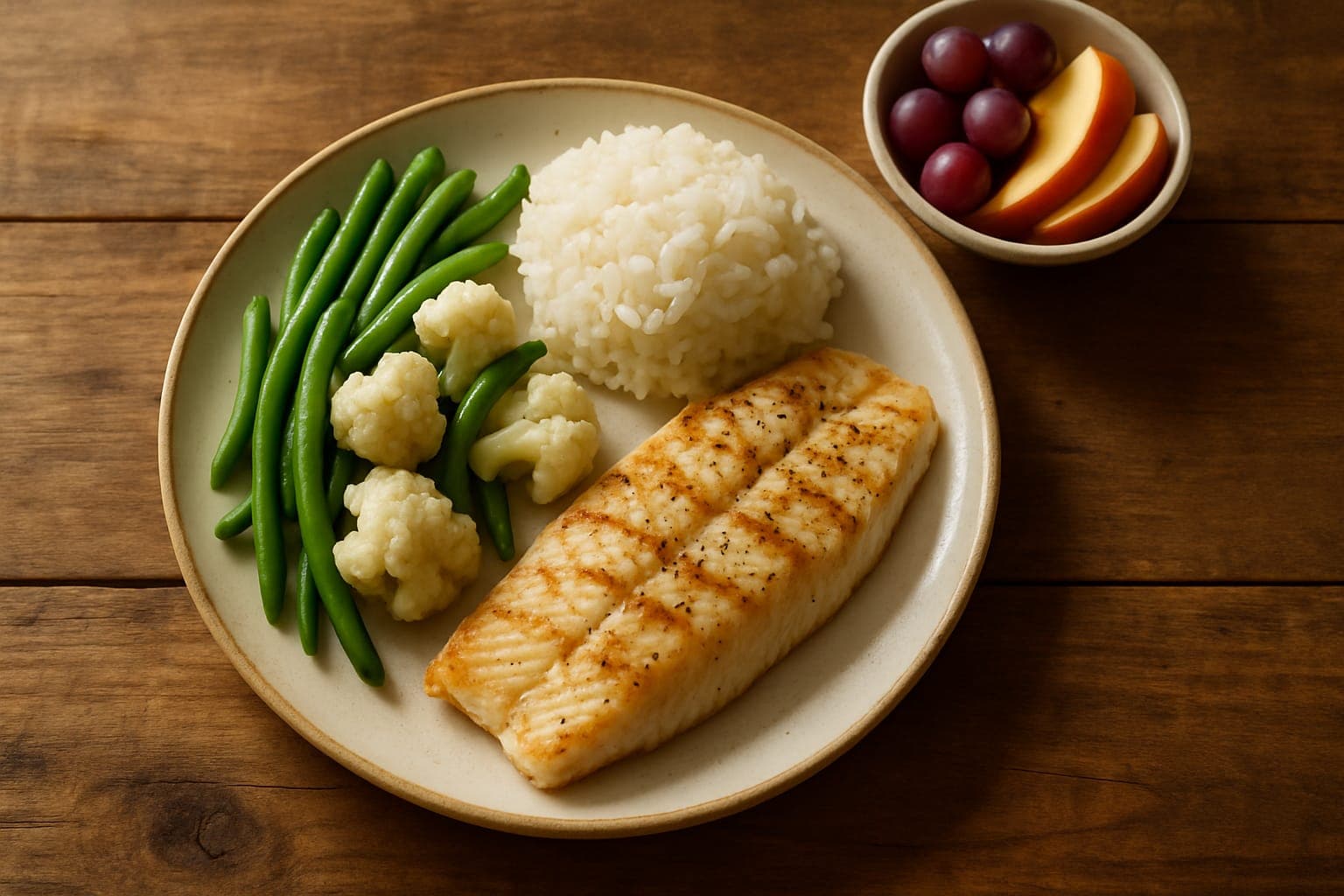
Most people living with chronic kidney disease spend months, sometimes years, trying to figure out why they feel so off. The fatigue. The muscle cramps that wake them up at 2 a.m. The strange fluttering in the chest that their doctor takes very seriously, even when it feels minor. And then, somewhere in a stack of lab results, a number gets circled. Potassium.
The relationship between potassium and kidney disease is one of the most misunderstood — and most consequential — pieces of the CKD puzzle. Get it wrong, and the consequences range from uncomfortable to life-threatening. Get it right, and you reclaim a surprising amount of control over how you feel day to day.
This isn't a simple "avoid bananas" article. It's the fuller story: what potassium actually does in your body, why damaged kidneys can't manage it the way healthy ones do, and how to eat in a way that keeps your levels where they need to be without turning every meal into a chemistry exam.
Why Potassium Matters More Than Most People Realize
Think of potassium as your body's electrical regulator. Every time your heart beats, every time a muscle contracts, every time a nerve fires a signal — potassium is involved. It works in constant partnership with sodium, shuttling in and out of cells to keep the electrical charge balanced.
When that balance tips, things go wrong fast.
Too little potassium (hypokalemia) causes muscle weakness, cramping, and dangerous heart rhythm disturbances. Too much (hyperkalemia) does the same — and in severe cases, it can stop the heart entirely. A healthy kidney keeps blood potassium in a narrow range almost effortlessly, filtering out excess potassium through urine all day long.
The problem with CKD is that the kidneys lose that filtering capacity. As kidney function declines (measured by GFR), the ability to excrete potassium declines with it. Potassium that would have been quietly flushed away instead accumulates in the blood. And because hyperkalemia often has no obvious symptoms until levels are dangerously high, many people don't realize there's a problem until a lab result forces the conversation.
Pro tip: Never adjust your diet based on a single lab result. Ask your nephrologist or renal dietitian to show you the trend over several draws. That pattern tells a more accurate story than any single number.
The Trap Most People Fall Into Early On
Here's where it gets complicated. When someone is first diagnosed with CKD, they're often handed a generic list: no bananas, no oranges, no potatoes, no tomatoes. They follow it faithfully. They feel virtuous about it.
And then their potassium comes back high anyway.
Why? Because potassium isn't hiding in a handful of "forbidden" foods. It's in almost everything: whole grains, legumes, dairy, meat, leafy greens, even the salt substitutes many people switch to when they're told to cut sodium. Those salt substitutes, in particular, are a hidden landmine. They're often made almost entirely of potassium chloride, and they can spike blood potassium dramatically.
The other trap is portion distortion. A small baked potato has roughly 600 mg of potassium. A large one can have over 1,000 mg. The food isn't the whole story; the amount matters enormously. And because CKD diets are already asking people to track protein, phosphorus, sodium, and fluid, adding potassium to that mental load without a clear framework leads to confusion, restriction, and eventually, giving up.
What Your Kidneys Are Actually Struggling With
To understand why the dietary rules exist, it helps to picture what's happening inside a kidney with reduced function.
Healthy kidneys contain millions of tiny filtering units called nephrons. In CKD, nephrons are progressively lost or damaged, scarred by diabetes, high blood pressure, inflammation, or other causes. The remaining nephrons work harder to compensate, but there's a ceiling to how much they can do. Potassium filtration is one of the first functions to become unreliable.
As kidney function declines, the kidneys' ability to excrete potassium through urine diminishes, and excess potassium accumulates in the blood instead. The National Kidney Foundation explains how this process leads to hyperkalemia and why it poses serious risks for people with CKD. In general clinical practice, the concern tends to intensify as GFR falls below 45, and becomes a primary dietary focus below 30, though these are not hard cutoffs. Some people with stage 3 CKD run high potassium; others with stage 4 maintain normal levels. Your labs, your medications, and your individual kidney function all factor in.
Certain medications commonly prescribed in CKD, including ACE inhibitors, ARBs, and potassium-sparing diuretics, also raise potassium levels as a side effect. This is why dietary management can't be separated from medication management. Your renal dietitian and nephrologist need to be working from the same picture.
The Foods That Deserve a Second Look
Let's get specific, because vague advice doesn't help anyone plan dinner.
Higher-potassium foods that often surprise people:
- Tomato products (paste, sauce, juice): concentrated sources
- Dairy (milk, yogurt): moderate but adds up quickly
- Nuts and seeds: small portions, high potassium density
- Avocado: one of the highest per-serving sources
- Winter squash, sweet potato, and beets
- Dried fruits: potassium concentrates when water is removed
- Chocolate and cocoa
- Coconut water: often marketed as healthy, extremely high in potassium
Lower-potassium options that give you more flexibility:
Lower-Potassium Choices That Give You More Flexibility
Instead of
Try
Banana, orange, kiwi, mango
Apple, berries, grapes, pineapple
Potato, tomato, spinach, beets
Green beans, cabbage, cauliflower
Whole wheat, bran, quinoa
White rice, white bread, pasta
Beans, lentils, nuts
Egg whites, some fish
Milk, yogurt, regular cheese
Small amounts of cream cheese
Food groupings follow National Kidney Foundation renal diet guidance; potassium values for individual foods are available in USDA FoodData Central. Portion size matters as much as the food itself.
One technique worth knowing: leaching. Peeling and soaking potatoes (or other root vegetables) in water for several hours, then boiling them in fresh water, can reduce potassium content by 30–50%. It's not a free pass to eat unlimited amounts, but it does expand your options meaningfully. The same principle applies to canned vegetables: draining and rinsing them removes a significant portion of potassium that has leached into the liquid.
Pro tip: Leaching works best when vegetables are cut into small pieces and soaked in a large volume of water. Thin slices, more surface area, more potassium removed.
Building a Plate That Works
A renal dietitian will typically set a daily potassium target based on your current labs, often somewhere between 2,000 and 3,000 mg per day for people who need to restrict, though this varies. The goal isn't to eliminate potassium (that would create its own problems) but to keep intake consistent and predictable so your kidneys aren't overwhelmed.
A few principles that make this manageable in practice:
Think in patterns, not individual foods. One high-potassium food in a meal isn't necessarily a problem. The issue is stacking: a meal with tomato sauce, a side of spinach, and a glass of milk can add up quickly even if each item seems moderate on its own. Spreading potassium intake across the day, rather than concentrating it in one or two meals, helps your kidneys manage the load. Making weekly meal prep realistic is one of the most effective ways to stay consistent with this kind of pattern-based approach.
Read labels on packaged and processed foods. Potassium is added as a preservative (potassium chloride, potassium phosphate) to many processed foods. It won't always be listed in the nutrition facts panel, but it will appear in the ingredients list. This is one area where "healthy" convenience foods (protein bars, low-sodium soups, plant-based meat alternatives) can quietly add significant potassium. Speaking of plant-based options: if you're balancing protein sources across your diet, keep in mind that many plant proteins, such as legumes, nuts, and seeds, carry a meaningful potassium load and need to be factored into your daily total.
Be careful with salt substitutes. This deserves its own emphasis: most salt substitutes replace sodium chloride with potassium chloride. Using them liberally while trying to manage potassium is counterproductive and potentially dangerous. If you're looking for ways to keep kidney-friendly food genuinely flavorful without salt substitutes, there are better options worth exploring.
For a broader framework on how potassium fits alongside protein, phosphorus, sodium, and fluid targets, your overall CKD eating plan is worth reviewing. Potassium is one piece of a larger nutritional picture that works best when managed together.
The Inflammation Connection
There's a layer to this that doesn't get discussed enough: chronic inflammation makes potassium management harder.
Inflammation disrupts cell membrane function, which affects how potassium moves in and out of cells. It also accelerates kidney damage, which reduces filtration capacity over time. This creates a feedback loop: poor kidney function raises potassium, high potassium stresses the cardiovascular system, and ongoing inflammation keeps driving the underlying disease forward.
Eating in a way that reduces inflammatory load isn't separate from managing potassium. It's part of the same strategy. Understanding what an anti-inflammatory plate actually looks like in practice can help you see how these dietary principles reinforce each other rather than compete.
Stocking a Kitchen That Supports You
One of the most underrated parts of managing a renal diet is what you keep on hand. When you're tired, when you're short on time, when you're just trying to get dinner on the table, you eat what's available. If your pantry is stocked with high-potassium convenience foods, that's what you'll reach for.
Building a kidney-friendly pantry isn't about deprivation. It's about making the right choice the easy choice. A well-curated renal pantry essentials grocery list takes the guesswork out of shopping and gives you a reliable foundation to build meals from.
When to Escalate the Conversation With Your Doctor
Dietary management is powerful, but it has limits. If your potassium remains elevated despite careful eating, that's important information — not a personal failure. It may mean your medication regimen needs adjustment, your kidney function has changed, or you need a more individualized dietary plan than a general guide can provide.
Symptoms that warrant immediate medical attention include:
- Muscle weakness or paralysis
- Heart palpitations or irregular heartbeat
- Numbness or tingling
- Difficulty breathing
These can be signs of severe hyperkalemia, which is a medical emergency. Don't wait for your next scheduled appointment.
Key Takeaways
| Topic | What to Know |
|---|---|
| Why it matters | Kidneys with reduced function can't excrete excess potassium; buildup risks dangerous heart arrhythmia |
| Target range | Blood potassium 3.5–5.0 mEq/L; dietary target typically 2,000–3,000 mg/day (confirm with your dietitian) |
| Hidden sources | Salt substitutes, tomato products, dairy, dried fruit, coconut water, potassium-based food additives |
| Leaching | Soaking and boiling root vegetables can reduce potassium by 30–50% |
| Medications | ACE inhibitors, ARBs, and potassium-sparing diuretics raise potassium; coordinate with your care team |
| Spread intake | Distributing potassium across meals is easier on kidneys than large single-meal loads |
| Red flags | Muscle weakness, palpitations, numbness; seek immediate care |
Frequently Asked Questions
Frequently Asked Questions
Keep going: Potassium is a moving target in CKD, which is why it helps to see the full renal nutrition framework it sits inside. The other hidden mineral — phosphorus in additives, which matters more than the food list — is worth reading next.
References
- National Kidney Foundation: Hyperkalemia (High Potassium)
- National Kidney Foundation: Potassium in Your CKD Diet, including kidney-friendly food lists and the leaching method for high-potassium vegetables
- U.S. Department of Agriculture: FoodData Central, the reference database for potassium values in individual foods
- Journal of Renal Nutrition: New Insights Into Dietary Approaches to Potassium Management in Chronic Kidney Disease, a 2023 review of current evidence on dietary potassium in CKD
- Agiro A, et al.: Hyperkalemia and the Risks of Adverse Cardiovascular Outcomes in Patients With Chronic Kidney Disease (2025): CKD patients with hyperkalemia had 59% higher risk of cardiac arrhythmia and 32% higher risk of major adverse cardiovascular events
- Cupisti A, et al.: Dietary Approach to Recurrent or Chronic Hyperkalaemia in Patients with Decreased Kidney Function (Nutrients, 2018): dietary potassium restriction (usually under 3 g/day) is recommended for reduced kidney function, with individualized food-preparation strategies
- de Abreu AM, et al.: Soaking to Reduce Potassium and Phosphorus Content of Foods (Nutrients, 2023): brief hot-water soaking reduced potassium content by 30–49% across most food groups; the evidence behind the leaching technique
Your first plan is free
Get a complete week of meals built around your goals — your first full plan is on us.
Build your first plan free →Keep reading
The Celiac Disease Food Guide: Eating Strictly Gluten-Free Without Living in Fear
Newly diagnosed with celiac disease? Here's the complete framework: what gluten actually is, the trust ladder for packaged foods, and how to build meals that are safe without cooking a second dinner.
Eating Out With Celiac Disease: The Three Questions That Keep You Safe
A celiac diagnosis doesn't end restaurant meals. The safest cuisines, the three questions to ask any kitchen, and what to do when you get glutened away from home.
This content is intended for educational purposes and should not replace individualized medical advice. Read our editorial standards.